Choosing the best Commercial Ice Maker for global buyers requires more than comparing production rates. A machine that performs well in a Canadian hotel may struggle in a humid coastal kitchen. Water quality, ambient temperature, voltage, drainage, service access, and local parts availability all affect the buying decision.
Michael J. Scicchitano, a commercial foodservice equipment consultant, offers a practical reminder: “The best ice machine is the one that keeps producing when the kitchen gets difficult.” That idea deserves attention. A polished specification sheet cannot replace stable output during a crowded lunch service. Nor can a low purchase price compensate for repeated maintenance delays.
Look closely at the details. A busy seafood restaurant may need dense, slow-melting ice for display counters. A hospital may prioritize strict cleaning routines and dependable bin sanitation. A hotel might need modular units, remote monitoring, and backup capacity. Small differences matter.
Ask harder questions.
Can local technicians repair the unit? Does the manufacturer support your region? Will filters and water-treatment parts arrive quickly? Is the stated capacity measured under realistic conditions, or ideal laboratory settings?
There is no perfect choice. Even experienced buyers can misjudge demand, especially when seasonal traffic changes. This guide compares Commercial Ice Maker options through performance, efficiency, durability, maintenance, and regional practicality. Some conclusions may remain imperfect. That is intentional. Reliable purchasing begins by recognizing what the brochure does not explain.
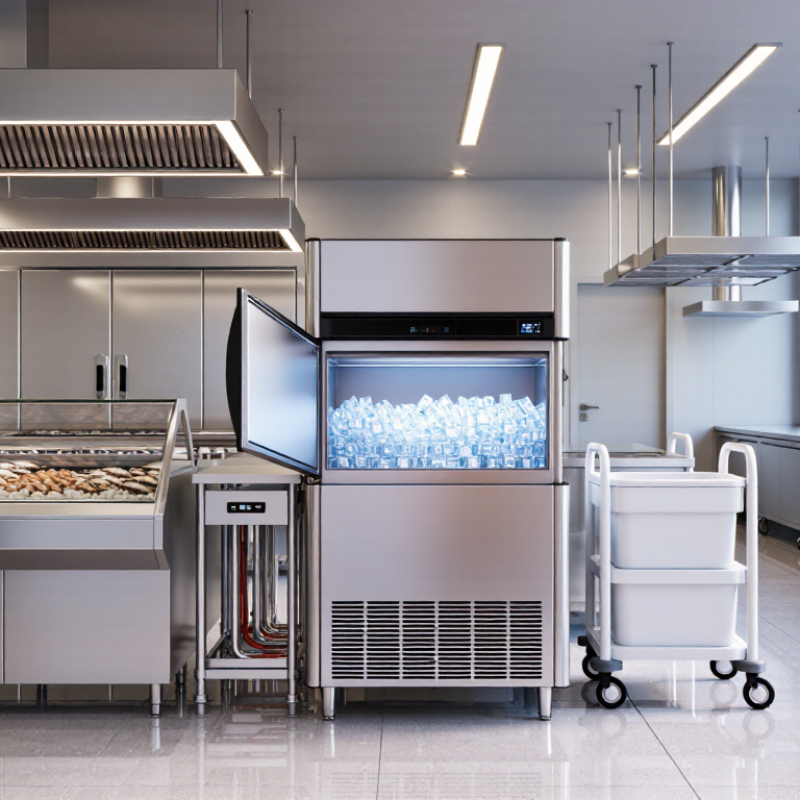
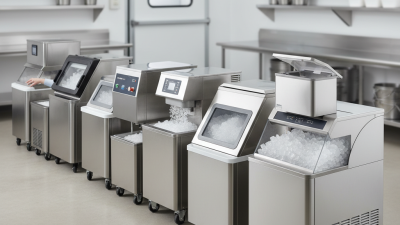
Global buyers should match ice form to the job, not simply choose the largest output. Cube ice melts slowly and suits hotels, restaurants, and long beverage service. Flake ice is softer and spreads easily across seafood displays, produce counters, and medical transport containers. Nugget ice offers a chewable texture, but its softer structure may increase handling and cleaning demands. Tube ice works well in high-volume beverage operations and warm climates.
Location changes the buying decision. In coastal kitchens, corrosion-resistant housing can protect equipment from salty air. In areas with hard water, built-in filtration and accessible scale controls matter more than a low purchase price.
A small café may need an undercounter unit, while a resort or food-processing site may require modular equipment with a separate storage bin. The match must be practical.
Energy and hygiene deserve equal attention. The U.S. Environmental Protection Agency reports that certified commercial ice machines can use about 15% less energy and 10% less water than standard models. Those savings become significant in hotels operating continuously.
The World Health Organization estimates that contaminated food causes about 600 million illnesses each year, so ice should be treated as food, not decoration. Cleaning schedules, drainage design, and local water testing should guide installation.
I have seen buyers focus on daily output and overlook recovery time after peak demand. That mistake is common. A perfect specification does not exist; climate, water quality, service access, and staff habits still decide real performance.
What Is the Best Commercial Ice Maker for Global Buyers?
Key Performance Factors for International Buyers
For global buyers, rated output is only the starting point. A machine producing 500 kilograms daily may perform differently in tropical ports, high-altitude kitchens, or unstable electrical grids. AHRI Standard 810 provides recognized methods for measuring ice capacity, energy use, and water consumption. Buyers should compare test conditions, not only catalog figures. Capacity alone misleads.
The U.S. Environmental Protection Agency’s ENERGY STAR data indicates that certified commercial ice makers use about 15% less energy and 10% less water than conventional models. These savings matter in hotels, seafood facilities, and beverage operations running continuously. Water quality also deserves attention. Hard water can scale spray nozzles, reduce harvest speed, and increase cleaning labor. A removable filter helps, but it is not magic. Local water testing is wiser than guessing.
Electrical compatibility requires equal care. Confirm voltage, frequency, phase, plug design, and compressor starting load before shipment. In hot climates, check performance at the actual ambient temperature, not a laboratory ideal. Service access is another practical test: Can a technician reach the condenser without dismantling half the machine? Spare parts availability, corrosion resistance, sanitation certification, and remote diagnostics can affect downtime more than a small capacity advantage. The cheapest quotation may become expensive after one failed harvest cycle. Data helps, but field conditions still win.
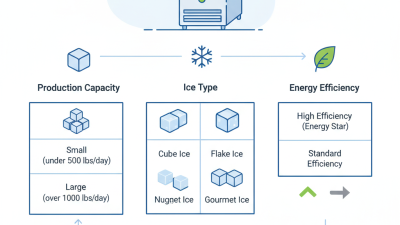
Typical performance ranges help international buyers compare ice-making technologies by output, energy efficiency, climate flexibility, and maintenance requirements.
The figures represent typical commercial equipment ranges under standard test conditions. Actual results vary with ambient temperature, water quality, ventilation, ice type, and operating schedule.
For global buyers, the best commercial ice maker depends on demand, climate, and service access. Compare rated ice production over 24 hours, not only the storage bin size. A café serving 300 cold drinks needs a different margin than a hotel breakfast room. Check output at your expected room and water temperatures. Hot kitchens can reduce production sharply. Leave practical headroom, but do not buy excessive capacity. It increases purchase cost and may waste energy during quiet periods.
Efficiency deserves more than a low electricity claim. Request energy use per kilogram or 100 pounds of ice under stated test conditions. Confirm voltage, phase, water consumption, and drainage requirements before importing equipment. A machine using less power may consume more water, which changes operating cost. Local water hardness also affects scale, cleaning frequency, and reliability. Ask for service intervals, accessible parts, and documented sanitation procedures. These details often reveal more than polished sales language.
Ice quality is practical, not cosmetic. Dense cubes melt slowly in spirits and soft drinks, while flake ice suits displays and food service. Examine clarity, hardness, size consistency, and meltwater behavior during a realistic shift. A small sample test can expose hollow pieces or uneven freezing. Certified safety documentation and a traceable warranty support dependable purchasing. Still, specifications are not field results. Allow time for installation, water treatment, and staff training; otherwise, even an efficient machine can produce disappointing ice.
For global buyers, the best commercial ice maker is not simply the fastest model. Installation conditions often decide performance. Measure doorway width, floor strength, ventilation space, and drainage before purchase. Confirm the site voltage and frequency match the machine’s specifications. In a coastal kitchen, corrosion protection deserves extra attention. A trained technician should verify water connections, leak protection, and stable leveling. Leave enough space for cleaning and service access. Small clearances matter.
Compliance changes across markets. Buyers should check electrical safety, food-contact materials, refrigerant rules, noise limits, and labeling requirements. Local approval may also depend on installation records or inspection procedures. Request current technical documents from the supplier, not informal promises. Keep certificates, manuals, and service records together. Paperwork is practical protection.
Maintenance starts with water. Test hardness, sediment, and microbial conditions before selecting filters. Clean storage bins, sensors, water lines, and condenser areas on a fixed schedule. Follow the sanitation instructions, but review them against local food-service requirements. I have found that busy kitchens often delay cleaning until production drops. That assumption fails. A simple log with dates, temperatures, filter changes, and technician notes improves accountability. Inspect gaskets and drainage regularly. Replace worn parts before leaks reach electrical components. Some failures remain unpredictable. Even experienced operators can miss early warning signs when the machine still produces ice.
| Ice Maker Category | Typical Daily Output | Ice Type | Recommended Installation | Typical Water Requirement | Electrical Considerations | Best-Fit Applications |
|---|---|---|---|---|---|---|
| Undercounter Modular Unit | 20–90 kg per 24 hours, depending on ambient and water temperature | Cubes, nuggets, or other compact formats | Indoor, ventilated space beneath or beside a counter; maintain manufacturer-specified clearance | Potable water connection; water consumption is commonly higher than final ice weight because of purge and meltwater | Confirm local voltage, frequency, plug type, circuit protection, grounding, and startup current | Bars, cafés, small restaurants, offices, and hotel service areas |
| Modular Ice Maker with Storage Bin | 90–450 kg per 24 hours | Full cubes, half cubes, or flake ice | Install on a compatible storage bin or dispenser; provide level flooring, drainage, ventilation, and service access | Dedicated potable-water line and a properly trapped drain; local plumbing rules apply | Dedicated branch circuit is commonly required; verify rated load and regional electrical certification | Restaurants, supermarkets, hotels, healthcare facilities, and catering operations |
| Remote-Cooled Ice Maker | 150–900 kg per 24 hours | Cubes or flake ice | Condenser installed outdoors or in a separate ventilated area; refrigerant piping must follow the approved design | Potable-water supply, drain connection, and sufficient water pressure within the equipment specification | Requires coordination between the ice-making head and remote condenser; installation must be completed by qualified personnel | High-volume kitchens where indoor heat, noise, or ventilation load must be reduced |
| Flake Ice Maker | 100–1,000+ kg per 24 hours | Soft, irregular flake ice with a relatively high surface area | Place near insulated storage, food-processing equipment, or a dispensing system; avoid warm, humid locations | Potable water with effective filtration recommended where hardness or sediment is significant | Check motor load, phase requirements for larger units, and suitability for local ambient conditions | Seafood displays, food processing, produce storage, healthcare, and blended beverages |
| Nugget or Chewable Ice Maker | 50–450 kg per 24 hours | Soft, chewable nugget or pellet ice | Indoor installation with reliable drainage and adequate airflow around the condenser | Filtered potable water is helpful for taste, reliability, and reduced mineral accumulation | Confirm voltage and frequency before purchase; electrical performance varies with ambient temperature | Beverage service, convenience retail, healthcare, hospitality, and self-service applications |
| Water-Cooled Commercial Unit | 100–900 kg per 24 hours | Cubes, nuggets, or flake ice | Useful where air ventilation is limited, provided cooling-water supply and drainage are available | Requires potable ice-making water plus additional condenser-cooling water; local water restrictions must be checked | Electrical demand is often less affected by high room temperature than air-cooled designs, but total operating cost may be higher | Hot commercial kitchens, enclosed equipment rooms, and locations with limited air discharge capacity |
| Global Buyer Checkpoint | Practical Requirement | Why It Matters |
|---|---|---|
| Food and Sanitation Compliance | Check applicable food-equipment sanitation requirements, such as NSF/ANSI 12 in North America or the relevant national and regional food-contact rules elsewhere | Ice is intended for human consumption and must be produced, stored, and dispensed hygienically |
| Electrical Approval | Verify the required conformity mark and test documentation for the destination market, together with voltage, frequency, plug, grounding, and protection requirements | Electrical rules differ substantially between markets and may affect import clearance and installation approval |
| Refrigerant and Environmental Rules | Identify the refrigerant, charge size, leak-safety requirements, labeling obligations, and local restrictions on fluorinated gases or flammable refrigerants | Refrigerant regulations and technician requirements vary by jurisdiction and equipment type |
| Water Quality and Filtration | Use potable water and select filtration based on hardness, sediment, chlorine, and other local water characteristics | Water quality affects taste, scale formation, production stability, and service intervals |
| Drainage and Backflow Prevention | Provide a correctly sized drain, air gap or approved indirect connection where required, and backflow protection according to local plumbing codes | Improper drainage can cause contamination, flooding, odor, and unsafe operating conditions |
| Climate and Capacity Adjustment | Use the manufacturer’s capacity correction data for high ambient temperature, warm inlet water, altitude, and restricted ventilation | Published output is normally measured under specified test conditions and may decrease in demanding climates |
| Routine Maintenance | Clean and sanitize food-contact surfaces regularly; inspect filters, water distribution, spray systems, storage bins, drains, condenser surfaces, and door seals | Regular maintenance supports hygiene, stable production, energy efficiency, and longer equipment life |
Note: Output, water use, electrical load, and service intervals vary by model and test conditions. Always confirm the installation manual, certification documents, local building codes, and destination-market import requirements before purchase.
Selecting the best commercial ice maker begins with your business, not a product label. A busy seafood counter may need dense, slow-melting cubes, while a hotel bar may prefer clear, attractive ice. Estimate daily demand from real sales records, then add a practical reserve of 20 to 30 percent. Peak weekends can expose weak planning quickly.
Check electrical requirements before comparing production rates. Voltage, frequency, plug type, and water pressure differ across markets. A machine rated for one power standard may need approved adaptation elsewhere. Measure the installation area carefully, including ventilation space and door clearance. A compact unit is not always efficient if its storage bin empties before lunch.
Water quality also matters. Hard water can reduce output and increase cleaning work, so accessible filtration may protect performance.
Look closely at cleaning access, drainage, noise, and service support. Staff should reach internal surfaces without complicated tools. In a warm kitchen, published output may fall, especially when condenser airflow is restricted. That detail is easy to miss. Energy use, warranty terms, spare-part availability, and local technician training affect the real cost more than the purchase price. Certification requirements should match the destination market and installation environment. No model wins every test. A lower-capacity machine may suit a café better than an oversized system that consumes space and power. Review operating logs after installation, because actual demand often differs from the original forecast.