Leave Your Message
Choosing the right Small Ice Maker Machine can make daily routines easier, especially in compact kitchens, offices, RVs, and home bars. A useful model should produce consistent ice, fit your available space, and match your actual drinking habits. Bigger output is not always better. A machine that produces more ice may also use more water, require extra counter space, and create noticeable noise.
I have found that practical details matter more than impressive advertising claims. Measure your counter before shopping. Check the machine’s width, depth, height, and ventilation clearance. Then compare its stated production rate with your real needs. A household may need only a few pounds of ice daily, while a busy office may need continuous batches. Examine the ice shape, basket capacity, water tank size, cycle time, and melting behavior. Small details matter.
Read the manual carefully.
Reliable buying decisions also require attention to build quality and support. Look for clear cleaning instructions, food-contact materials, safety certifications, warranty coverage, and accessible customer service. Reviews can reveal useful experiences, such as loud compressors, difficult drainage, or weak buttons. However, reviews are not perfect evidence. Some users judge performance after only one day. I would compare several sources and check whether the testing conditions match your home.
No machine fits everyone. The best choice balances performance, convenience, maintenance, energy use, and price. Before purchasing, consider where the ice maker will sit, how often it will run, and how regularly you can clean it. A thoughtful choice should feel simple after installation, not become another appliance demanding constant attention.
How to Choose the Best Small Ice Maker Machine?
Understanding Small Ice Maker Types and Their Best Uses
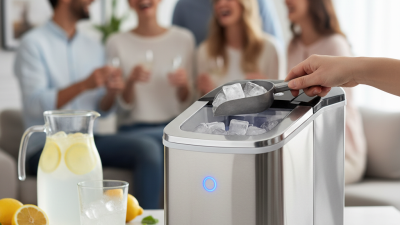
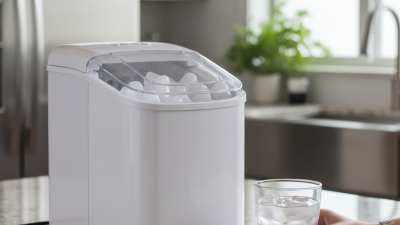
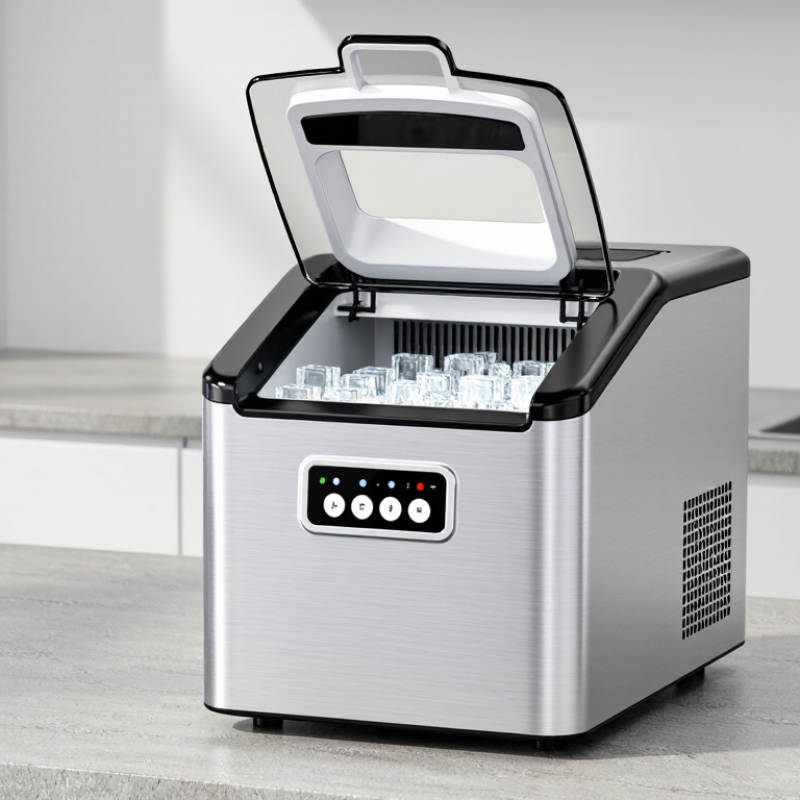
Small ice makers vary by design, cooling method, and daily capacity. Countertop models suit apartments, offices, and occasional home use. They usually draw water from a built-in reservoir and need no plumbing. A compact unit can produce a batch in minutes, but the ice often melts inside the storage basket. It is not a freezer.
Undercounter models fit kitchens, bars, and recreational vehicles with a permanent water connection. They usually offer steadier production and better insulation. However, installation requires ventilation, drainage, and accurate cabinet measurements. A portable model is easier to move between a patio and kitchen. Its reservoir needs frequent refilling during parties. Space matters.
Ice shape affects the best use. Bullet-shaped ice releases easily and works well in cold drinks. Nugget-style ice feels softer and suits iced beverages or chewing preferences. Crescent ice melts more slowly, which can help preserve flavor. Clear ice looks attractive but may require a more specialized system. Test the sound level before buying. A machine beside a bed can become surprisingly annoying.
Check production claims against your real routine. A household may not need the highest hourly output. Measure the counter depth, leave airflow around the vents, and inspect the cleaning process. I once underestimated the importance of drainage. That small mistake caused constant wiping. Energy use, filter access, and replacement parts also deserve attention. A simple machine is often easier to maintain, even when its output looks less impressive.
| Ice Maker Type | Typical Ice Shape | Approximate Production Capacity | Typical Ice-Making Cycle | Storage Characteristics | Best Uses | Main Advantages | Important Limitations | Key Selection Factors |
|---|---|---|---|---|---|---|---|---|
| Portable Countertop Ice Maker | Bullet-shaped or hollow cylindrical ice | Approximately 10–15 kg per 24 hours | About 6–15 minutes per batch | Usually stores approximately 0.5–1.5 kg; the ice is not normally kept frozen for long periods | Apartments, home kitchens, offices, small gatherings, and occasional outdoor use | Compact, easy to operate, generally requires only a water reservoir and a standard electrical outlet | Does not usually connect directly to a water line; stored ice may gradually melt and return to the reservoir | Counter space, water-reservoir size, noise level, production rate, and ease of cleaning |
| Compact Built-In Undercounter Ice Maker | Bullet, nugget, or clear gourmet-style ice, depending on the model | Approximately 12–30 kg per 24 hours | About 10–30 minutes per batch | Often provides insulated storage of approximately 2–7 kg; storage is not equivalent to a freezer | Small kitchens, home bars, entertainment areas, and frequently used beverage stations | Higher capacity than most portable units and a cleaner built-in appearance | Requires installation space, ventilation, drainage planning, and regular sanitation | Available width, ventilation clearance, drain requirements, noise, and daily ice demand |
| Nugget Ice Maker | Soft, chewable nugget or pellet ice | Approximately 10–25 kg per 24 hours | About 15–30 minutes per batch | Usually has a small insulated bin; nugget ice melts more readily than dense clear ice | Soft drinks, iced coffee, smoothies, casual home entertaining, and users who prefer chewable ice | Soft texture absorbs flavor well and is comfortable to chew | Often costs more than basic bullet-ice units and may require more frequent cleaning because of internal water circulation | Texture preference, sanitation access, production rate, water use, and operating noise |
| Clear Ice Maker | Transparent cubes or gourmet cubes | Approximately 5–15 kg per 24 hours | About 20–40 minutes per batch | Typically stores fewer pieces but produces dense ice that melts more slowly in beverages | Cocktails, spirits, premium non-alcoholic drinks, and presentation-focused home bars | Dense, attractive ice with relatively slow melting and less visual cloudiness | Usually slower and more expensive to operate than basic portable ice makers | Cube clarity, cube size, cycle speed, water filtration, and available storage space |
| Bullet Ice Maker | Small hollow cylinders with rounded ends | Approximately 10–15 kg per 24 hours | About 6–15 minutes per batch | Usually has a small non-freezing storage basket; ice should be transferred to a freezer when long-term storage is needed | Everyday household drinks, small offices, parties, and first-time buyers | Fast production, simple controls, compact size, and generally easy ice release | Hollow ice melts faster than dense cubes and may not suit premium cocktails | Production speed, basket size, water refill frequency, footprint, and cleaning cycle |
| Flake Ice Maker | Thin, soft flakes or small irregular pieces | Approximately 15–30 kg per 24 hours in compact models | Continuous or near-continuous production | Usually requires a separate insulated bin or container because flake ice is loose and melts comparatively quickly | Food displays, salad bars, seafood presentation, cold therapy, and specialty beverage service | Molds easily around food and provides excellent surface coverage for display and cooling | Less suitable for ordinary drinks and generally requires more space or a separate storage solution | Bin compatibility, drainage, sanitation, continuous output, and the intended display or cooling task |
| Commercial-Style Modular Ice Maker | Half-cube, full-cube, nugget, or flake ice, depending on the configuration | Approximately 25–70 kg per 24 hours for small commercial units | Continuous production or repeated short cycles | Normally requires a separate ice storage bin; the bin capacity varies by installation | Cafés, small restaurants, catering operations, clinics, and high-volume beverage service | High output, durable construction, and compatibility with larger storage systems | Higher purchase and installation costs; commonly needs a water connection, drain, ventilation, and professional setup | Peak demand, local electrical supply, water quality, drainage, service access, and food-safety procedures |
Capacity, cycle time, and storage figures are typical ranges for compact equipment and vary according to room temperature, incoming water temperature, ventilation, ice shape, and operating conditions.