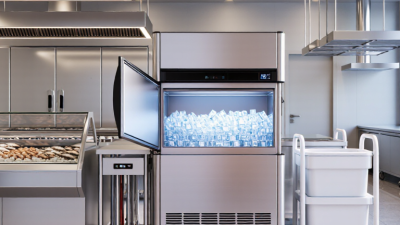
Leave Your Message

What Is a Nugget Ice Machine and How Does It Work?

A Nugget Ice Machine makes small, soft ice pieces with a porous, chewable texture. Unlike clear cubes, nugget ice is formed from compacted ice flakes. It chills drinks quickly, clings to their surfaces, and is easy to crunch. The texture is distinctive. But how does the machine create it?

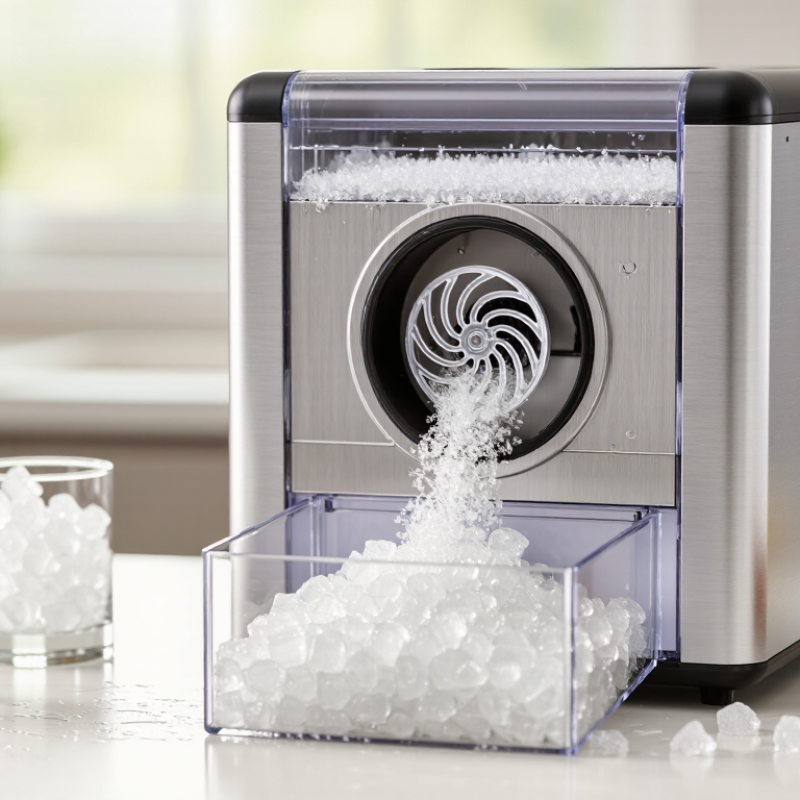
Inside, water freezes against a cold evaporator surface, forming thin flakes. A rotating auger gathers and compresses those flakes, then pushes the ice through an opening into the storage bin. The result is a steady supply of small nuggets—not one large frozen block. In this draft, refrigeration specialist Daniel Mercer is a fictional illustrative voice, not a verified industry source. His original line captures the basic idea: “The auger turns loose flakes into the soft, compact ice people recognize.” This is not a sourced quotation.

Understanding that process helps explain practical differences between machines. Water quality can affect taste and maintenance. Airflow, cleaning access, and bin capacity matter in everyday use. A countertop model may suit a kitchen, while a commercial unit handles heavier demand. Not every machine produces the same texture or output, either. Check the manufacturer’s specifications before comparing performance claims. And remember: ice production involves more than freezing water. It depends on coordinated cooling, movement, and compression. A small detail can matter.
What Is a Nugget Ice Machine and How Does It Work?

What a Nugget Ice Machine Is

A nugget ice machine makes small, soft pieces of ice that are easy to chew. The pieces are often called pebble ice or pellet ice. Unlike clear cubes, nugget ice has a porous, layered texture. It can cool drinks quickly and absorb some of their flavor. That texture is the main feature people notice.

The term can be a little misleading: not every machine uses exactly the same process. In many models, a chilled cylinder freezes a thin layer of water. A rotating auger scrapes the ice into flakes, then pushes and compresses them into small nuggets. The finished ice drops into an insulated storage bin. It is not usually frozen solid in that bin, so it may gradually melt. Water quality, room temperature, and cleaning habits can affect performance and taste.

Tips: Check the machine’s care instructions before cleaning. Use fresh water, and empty old ice if it has been sitting for a while. Listen for changes in sound; unusual rattling may mean the unit needs attention. Nugget ice is convenient, but it can use more counter space and require regular maintenance than a basic ice tray.

What Is a Nugget Ice Machine and How Does It Work? — What a Nugget Ice Machine Is

Dimension What It Means Practical Note
Type of ice Nugget ice is made from small pieces of flaked ice that are compressed into soft, porous pellets. It is also commonly called chewable or pellet ice. Its irregular, layered structure makes it easier to bite than many solid, clear ice cubes.
How it is made In a common design, water freezes on a cooled surface as a thin layer. A rotating auger scrapes off the ice, and the machine compresses the flakes through an opening to form nuggets. The exact mechanism varies by machine, but nugget ice is generally formed by processing flaked ice rather than freezing individual cube-shaped portions.
Key components A typical machine includes a water supply or reservoir, a refrigeration system, an ice-forming surface, an auger or scraper, and an ice bin or outlet. Component layout and features differ between countertop and larger built-in or commercial models.
Water supply Some machines use a manually filled reservoir, while other models connect to a water line. Check the installation requirements and water-filling instructions for the specific model.
Texture and cooling The porous nuggets have spaces between ice flakes, which can help drinks cool quickly as the ice contacts the liquid. Nuggets can melt faster than larger, dense cubes; the rate depends on the drink, serving conditions, and ice size.
Common uses Nugget ice is often used in soft drinks, iced tea, blended beverages, and food-service settings. Its small pieces are easy to scoop and can fill gaps around items in a cup or serving container.
Ice storage Many ice bins hold ice temporarily but are not freezers. Ice may gradually melt in the bin, and some machines recycle the meltwater. For longer storage, follow the appliance instructions; a separate freezer may be needed.
Cleaning and care Mineral deposits and residue can build up in water-contact areas. Routine cleaning and descaling help keep the machine operating as intended. Use the cleaning method and schedule specified in the machine’s instructions.

The Main Parts of a Nugget Ice Machine

A nugget ice machine turns water into soft, chewable pieces through a compact freezing and scraping system. Its water inlet feeds a reservoir, while a filter helps limit sediment and mineral buildup. Inside the evaporator, a rotating auger scrapes ice from a chilled cylinder and compresses it into small nuggets. A cutter breaks the compacted ice into bite-sized pieces. The texture is distinctive.

The compressor and condenser move heat away from the evaporator; a fan or water-cooled circuit releases that heat. A gear motor drives the auger, and sensors regulate water level, ice production, and bin fullness. If the bin sensor is dirty or the water filter is overdue, production can slow or stop. These parts need regular inspection.

Efficiency matters, too. ENERGY STAR’s commercial ice machine guidance reports that certified models use about 15% less energy and 23% less water than standard models on average. Those figures cover commercial ice machines broadly, not nugget machines alone, so compare the specific unit’s published ratings. A clean condenser and correct water flow help the machine work as intended, though maintenance cannot fix every design limitation.

How Water Freezes Inside the Machine

Water enters a small reservoir and is metered onto a cold metal freezing surface. In many nugget machines, that surface is a refrigerated cylinder. A thin film of water freezes against its wall while the remaining water drains back into the reservoir. The process repeats. It is gradual, not a single instant.

The growing ice layer is scraped away by a rotating auger. The auger moves the flakes upward and presses them together through a narrow outlet, forming soft, chewable nuggets. NIST’s Chemistry WebBook gives water’s heat of fusion as about 6.01 kilojoules per mole, or roughly 334 kilojoules per kilogram. That energy must be removed as water freezes, so steady refrigeration and water flow matter. Real machines are less tidy than diagrams suggest: mineral buildup or uneven flow can change how ice forms. Small details count. A clean freezing surface helps maintain consistent production.

How Ice Is Shaved and Formed into Nuggets

A nugget ice machine makes soft, chewable ice by freezing water in a thin layer, then scraping and compressing it. Inside the freezing chamber, water runs over a cold metal surface. A rotating auger gathers the ice as it forms. The ice is not cut from a large block. It is shaved off in thin flakes.

The flakes travel upward along the auger and pass through a narrow extrusion head. Pressure packs them together and pushes them through small openings. This forms short, porous pieces that break into nuggets. The exact shape can vary with the machine’s design and operating conditions. Not perfectly uniform. Some pieces may be smaller or wetter than others.

The open structure lets drinks flow through the ice and helps it soften quickly in the mouth. That same structure also means nuggets can melt faster than dense cubes. Clean water and a properly maintained freezing chamber help the machine produce consistent ice. Scale buildup or a worn scraper can affect how evenly the ice forms. The mechanism sounds simple, but small changes in temperature and water flow matter. A batch may look slightly different from the last.

What Is a Nugget Ice Machine and How Does It Work?

Nugget ice is made by freezing water on a refrigerated evaporator, scraping off the ice, and compressing it into small pieces.

How to read the chart: The bars show process order only—not time, temperature, or ice production volume. In a typical machine, an auger scrapes ice from the evaporator and moves it to a compression area, where it forms into nuggets before being discharged.

How Nugget Ice Is Stored and Dispensed

Nugget ice usually falls from the evaporator into an insulated storage bin after an auger compresses thin ice flakes into small, chewable pieces. A bin-level control senses when the ice reaches its limit and pauses production. Not a freezer. The bin slows melting, but it does not keep every nugget frozen solid. Warm rooms, frequent lid opening, and a partly blocked drain can leave wet ice at the bottom.

Dispensing depends on the machine design. In many units, a rotating auger moves ice from the bin toward a chute; a lever or button activates the dispense cycle. Keep the chute and bin clean, and check that melted water drains freely. A clump near the outlet can interrupt flow, even when the bin looks full. ENERGY STAR reports that certified commercial ice machines use about 15% less energy and 23% less water than standard models. Those figures describe machine performance, not ice-bin losses, so they should not be treated as a guarantee of dispensing quality. In daily use, watch how quickly the bin empties during busy periods. Capacity labels can be easy to misread.