Leave Your Message

7 Best Ice Machine Factories for Global Buyers

Choosing the right ice machine supplier can shape product quality, operating costs, and customer trust. This guide examines seven leading ice machine factories for global buyers seeking dependable production partners. Each Ice Machine Factory is considered through practical criteria, including manufacturing experience, equipment range, quality controls, export support, and after-sales service.

A reliable factory should explain its daily ice output, water requirements, refrigerant system, and recommended ambient temperature. Buyers should also inspect stainless steel grades, compressor brands, insulation thickness, and cleaning access. Small details matter. A poorly positioned drain can complicate maintenance in a busy hotel kitchen. Clear product drawings, test reports, installation guidance, and spare-parts availability can reduce costly downtime. Factory audits and sample testing offer stronger evidence than polished catalogs alone. Certifications should be verified against the buyer’s destination market and actual product model.

This is not a universal ranking. No factory is perfect. Published capacity may change under different water temperatures, voltage conditions, or maintenance schedules. Some suppliers communicate well before an order but respond slowly afterward. That weakness deserves attention. Our comparison combines available technical information, buyer-focused evaluation, and realistic purchasing concerns. It also encourages readers to request current quotations, production videos, warranty terms, and reference projects before making a decision. Experienced sourcing teams know that a strong partnership depends on more than price. It requires consistent engineering, honest communication, and measurable support after delivery.
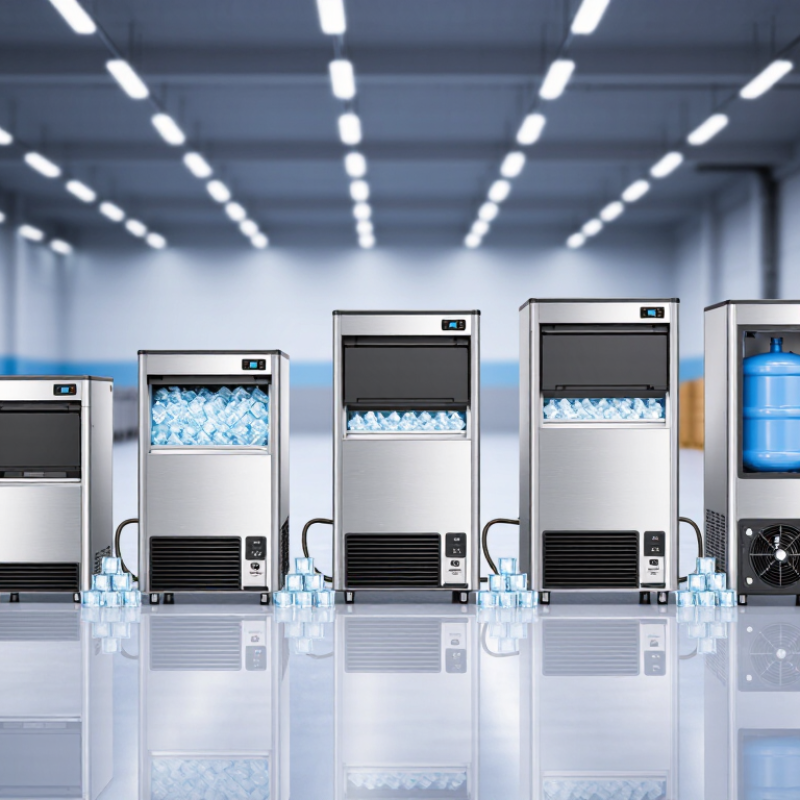
7 Best Ice Machine Factories for Global Buyers

How to Evaluate Ice Machine Factories for Global Buyers

Choosing among the best ice machine factories requires more than comparing catalog prices. A reliable factory should explain its production process clearly. Ask where compressors, pumps, and control systems come from. Request photos of welding areas, insulation work, and final testing stations. Factory visits are valuable, but a detailed video audit can also reveal storage conditions and worker practices.

Technical evidence matters. Review ice output under your local temperature and water conditions, not only laboratory figures. Check stainless steel grades, drain design, cleaning access, and electrical compatibility. Ask for test reports, installation manuals, spare-parts lists, and recognized safety certifications. A professional factory should provide consistent answers across sales, engineering, and quality teams. Watch for vague promises.

I once focused too heavily on production capacity. That was a mistake. A large workshop may still lack careful after-sales support. Ask how warranty claims are recorded and how quickly replacement parts are shipped. Request references from buyers in similar climates or industries. Examine packaging, loading methods, and export documentation before signing. Small details matter. A missing wiring diagram can delay installation for days. Some factories may pass an audit yet struggle with customized orders, so test their response with a clear sample specification and several practical questions.

Factory 1: Product Range, Manufacturing Capacity, and Export Strengths

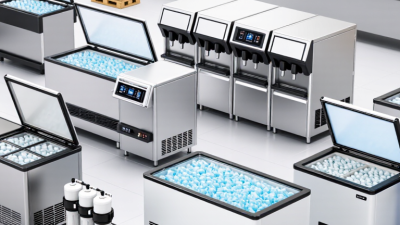
Factory 1 offers a broad ice machine range for different commercial applications. Its portfolio includes cube, flake, nugget, and modular ice makers. These models support restaurants, hotels, supermarkets, and seafood operations. Daily output ranges from compact units to high-volume systems. This variety can simplify global sourcing. However, product breadth alone proves little. Buyers should match ice type, water quality, voltage, and climate with each order. A poor specification may cause avoidable service problems.

The manufacturing layout appears designed for consistent assembly. Dedicated areas for metal forming, refrigeration work, electrical testing, and final inspection indicate practical process control. Documented capacity matters more than workshop size. Ask for monthly output by model, peak-season lead times, and recent delivery records. Factory records and pre-shipment inspections provide stronger evidence than sales claims. Capacity may still fluctuate. Labor shortages, compressor availability, and seasonal demand can affect schedules.

Its export strength depends on more than shipping experience. The factory should provide clear manuals, spare-parts lists, durable packaging, and responsive technical support. Export-ready machines need stable voltage options and documentation for destination requirements. Verify certifications through current test reports, not copied images. Communication quality is also revealing. Slow answers before an order may signal weaker after-sales support. Published information rarely proves long-term field performance. Request installation records from comparable climates before committing major volume. Good factories accept detailed questions.

Factory 2: Technology, Customization, and International Certifications

A capable ice machine factory treats technology as a working system, not a showroom feature. During factory evaluations, buyers should inspect compressors, water pumps, sensors, and control panels directly. A reliable PLC can monitor water levels, ice thickness, and cleaning cycles. Stainless steel contact surfaces should resist corrosion and remain easy to sanitize. Energy data also matters. A machine producing ice quickly may still waste power during long operating hours.

Customization should match the buyer’s real environment. Factories may adjust cube size, daily output, voltage, drainage, condenser type, and packaging. For example, a coastal hotel may need stronger corrosion protection. A supermarket may require quieter operation and front-panel alerts. Ask for sample production under local water and temperature conditions. Paper specifications can look excellent, but field performance may differ. That difference deserves honest discussion.

Tips: Request factory test videos, wiring diagrams, maintenance schedules, and recent inspection reports. Check whether certificates apply to the exact model and electrical version. Common documents may include CE, UL, RoHS, ISO 9001, or food-contact test reports, depending on the destination. Do not accept a certificate number without verification. Keep one sample unit for testing. It may reveal noise, melting speed, or cleaning problems that factory demonstrations miss. No factory is perfect. Transparent communication is more valuable than polished claims.

Factory 3: Quality Control, Energy Efficiency, and Production Reliability

Factory 3 earns attention through three measurable disciplines: quality control, energy efficiency, and production reliability. In a serious plant, each batch needs a traceable serial record, water-quality check, weld inspection, and freezing-cycle test. Operators should measure ice output, harvest time, noise, and power use under stable conditions. Factory videos cannot prove these results. Independent test records matter more.

The 2023 Global Cooling Watch report warns that cooling demand could more than triple by 2050 without efficiency action. The International Energy Agency’s Energy Efficiency 2023 report also identifies efficiency as a major route to lower energy demand. For ice equipment, this means insulated storage, efficient compressors, cleanable condensers, and controls that prevent unnecessary cycling. Small gains matter across hotels, fisheries, and distribution centers.

Tips: Ask for 72-hour endurance records, water-consumption figures, failure-rate data, and maintenance instructions. Confirm testing conditions. Numbers without conditions can mislead.

No factory is flawless. A reliable supplier admits limits and explains corrective actions. During audits, buyers should inspect spare-parts storage, calibration labels, and finished-unit sampling. Production reliability is not only speed. It is repeatable performance when orders grow, temperatures change, or a component becomes unavailable. This practical evidence often reveals more than polished sales documents.

Comparing the 7 Best Ice Machine Factories for Different Buyer Needs

Choosing among the seven best ice machine factories depends on the buyer’s operating conditions, not only on price. A seafood processor may need a flake ice specialist with corrosion-resistant evaporators. A hotel usually benefits from a quiet cube ice factory offering compact units. For supermarkets, a reliable modular machine with insulated storage can reduce daily handling. These differences matter during real service, especially during hot shifts.

One factory may suit small restaurants because it provides countertop machines, simple controls, and short installation guidance. Another may fit large distributors with tube ice systems, higher output, and automated harvesting.

A third may focus on block ice for transport and construction applications. Buyers seeking energy savings should compare compressor efficiency, water consumption, and recovery time after cleaning.

Do not trust output figures alone. Test them at the stated ambient temperature.

The remaining factories may serve medical, laboratory, or remote-site buyers. Their strengths could include stainless-steel interiors, filtration options, voltage flexibility, and spare-parts planning. Ask for production records, factory inspection access, weld quality details, and documented quality checks.

I would also request a sample maintenance schedule before signing. It reveals practical thinking. Some suppliers promise fast support, yet their response process remains unclear. That weakness deserves attention.

A factory with slightly higher pricing may prove more dependable when sensors fail, water quality changes, or seasonal demand rises. Even experienced buyers can overlook cleaning access. That mistake becomes expensive.